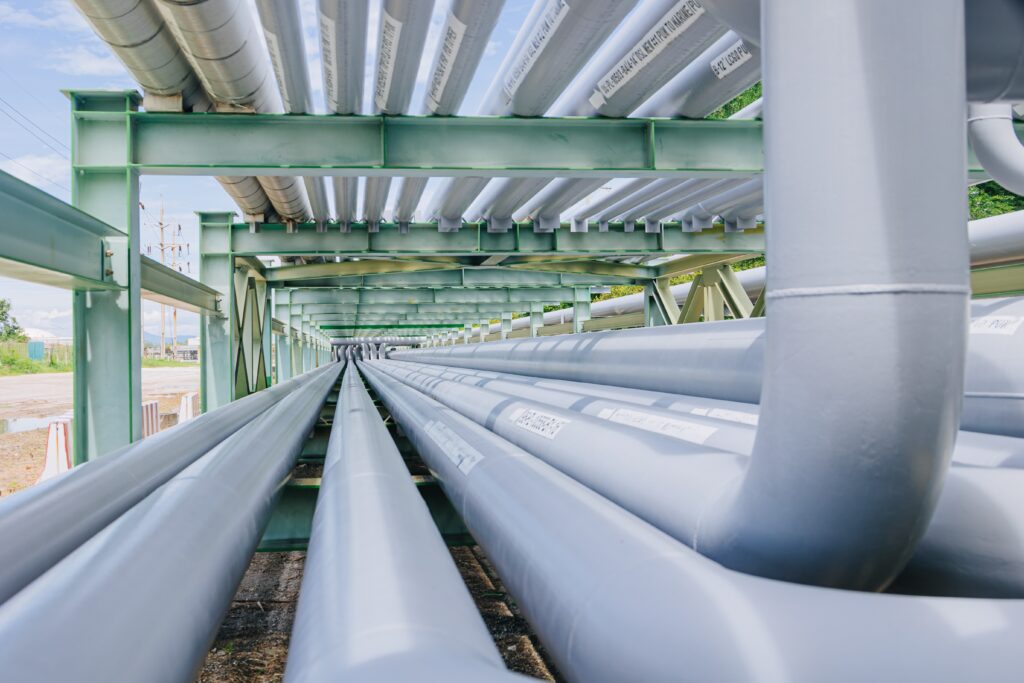
When people hear the phrase “pipeline modernization,” replacing old pipe is probably the first thing that comes to mind.
Replacement is certainly part of the picture, particularly where older materials or higher-risk assets remain in service. But modernization can involve much more than the pipeline itself. It can include valves, metering, compression, controls, electrical systems, station equipment and changes needed to accommodate how a system operates today.
In other words, pipeline modernization is increasingly a system-level engineering challenge.
What is pipeline modernization?
Pipeline modernization is the process of upgrading existing pipeline infrastructure to support continued safe, reliable and efficient operation.
Depending on the system, that may involve replacing sections of pipe, improving equipment, modifying facilities, updating instrumentation and controls, evaluating hydraulic performance or incorporating newer inspection and monitoring information.
The need for modernization can develop gradually. A system designed decades ago may still operate effectively, but its operating conditions may have changed considerably since it was first placed in service.
PHMSA continues to track replacement of older pipeline materials and identifies factors including age and material as important considerations in evaluating infrastructure risk. Its updated pipeline replacement information notes that substantial progress has been made in removing older iron and bare-steel distribution pipe, while modernization efforts continue. (PHMSA)
Why can operating conditions change over time?
Energy systems rarely remain exactly as originally designed.
Demand changes. Facilities expand. New customers connect to a system. Equipment is replaced. Flow requirements increase or decrease. Operating pressures change. New instrumentation becomes available.
Individually, these changes may appear relatively small. Over decades, however, the system operating today can look very different from the one engineers originally evaluated.
That is why modernization often begins with understanding existing conditions rather than immediately designing something new.
What should engineers evaluate?
One important question is whether the existing system can support current and anticipated operating requirements.
For a pipeline system, that can involve reviewing flow, pressure, equipment capacity and operating scenarios. Stations may require evaluation of compressors, pumps, valves, metering equipment, electrical systems or controls. Physical changes can also affect civil, structural and environmental requirements.
AED Energy Services has previously highlighted how pipeline performance issues can emerge when operating conditions move beyond original design assumptions. (AED Energy Services)
That makes modernization less about replacing one component and more about understanding how the components interact.
Why do existing conditions matter so much?
Existing infrastructure creates constraints that new-build projects do not have.
There may be limited space inside an operating station. New piping has to connect with existing systems. Construction may need to occur while portions of a facility remain operational. Access, environmental conditions and existing utilities can influence the design.
Good information at the beginning of the project allows engineers to determine what can remain, what needs modification and where additional evaluation is necessary.
This can also help separate genuine project requirements from unnecessary changes.
Modernization is an ongoing process
Infrastructure modernization is rarely one single event.
Pipeline systems can operate for decades, and responsible asset management requires periodic evaluation as equipment ages, operating requirements change and better information becomes available.
That makes modernization an ongoing engineering process: understand the existing system, evaluate how it is being used, identify constraints and determine which improvements are appropriate for the asset and its operating environment.
AED Energy Services provides multidisciplinary engineering support across pipeline and energy infrastructure, including civil, mechanical and electrical engineering, project planning and related technical services. (LinkedIn)
Frequently Asked Questions
Does pipeline modernization always mean replacing a pipeline?
No. Modernization can include pipe replacement, but it may also involve station equipment, valves, controls, electrical systems, compression, metering or other upgrades.
Why are existing operating conditions important in pipeline engineering?
Pipeline systems often change over time. Evaluating current flow, pressure, equipment and operating requirements helps engineers understand whether existing infrastructure still supports how the system is being used.