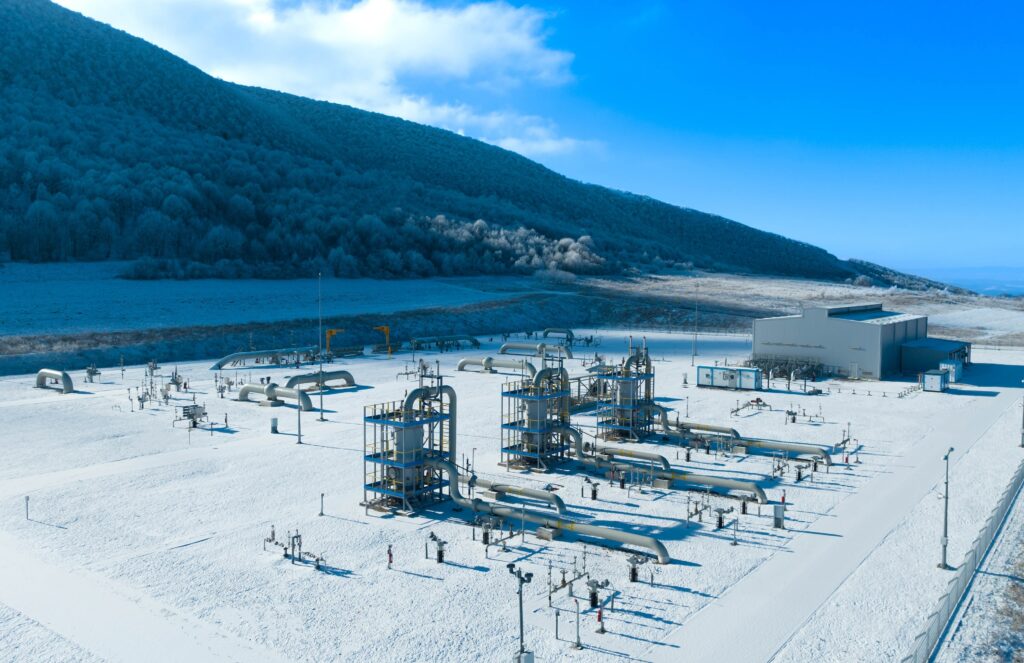
A natural gas meter station upgrade begins with a design basis: a documented description of the operating conditions and functions the station must support. That information connects equipment selection with piping, controls and the site itself. It also identifies what the upgrade will change and what existing systems will remain in service.
Natural gas infrastructure development remains active. In its May 2026 pipeline update, the U.S. Energy Information Administration identified approximately 44.9 billion cubic feet per day of planned U.S. pipeline capacity additions for 2026 and 2027. Those figures describe planned capacity, not completed projects, and illustrate the scale of work being evaluated across the sector.
Define the operating requirements
A station’s design basis documents the expected flow range and pressure conditions, along with gas characteristics and the required measurement function. The owner’s operating requirements provide the starting point for evaluating whether existing equipment can support the proposed change. Future operating scenarios can be recorded separately from the initial project requirements.
The distinction matters when an upgrade changes one part of an established facility. Replacing a meter does not by itself establish the suitability of the surrounding piping or control equipment. The engineering review considers how the modified station will function as a system.
Resolve the equipment and site interfaces
Vendor information needs to align with the engineering drawings. Connection locations, access clearances and maintenance needs influence the physical arrangement. Electrical supply and communications requirements also need coordination with the equipment package and the owner’s systems.
At an existing station, field verification helps identify differences between the available records and installed conditions. Survey information and site constraints can then inform the layout and construction approach. Unresolved assumptions remain visible in the design process instead of becoming undocumented conditions passed to the field.
Plan for construction and turnover
The execution plan identifies the work that can occur before an interruption and the activities that depend on an owner-approved outage. Testing responsibilities, startup support and turnover documentation need to be defined alongside the construction scope. This connects the physical installation with the information operations will need after the work is complete.
AED Energy Services supports natural gas pipeline and facility projects, including metering, through multidisciplinary engineering and related project services. Discuss your station upgrade with AED Energy Services to review the design basis and the work required from early planning through startup.