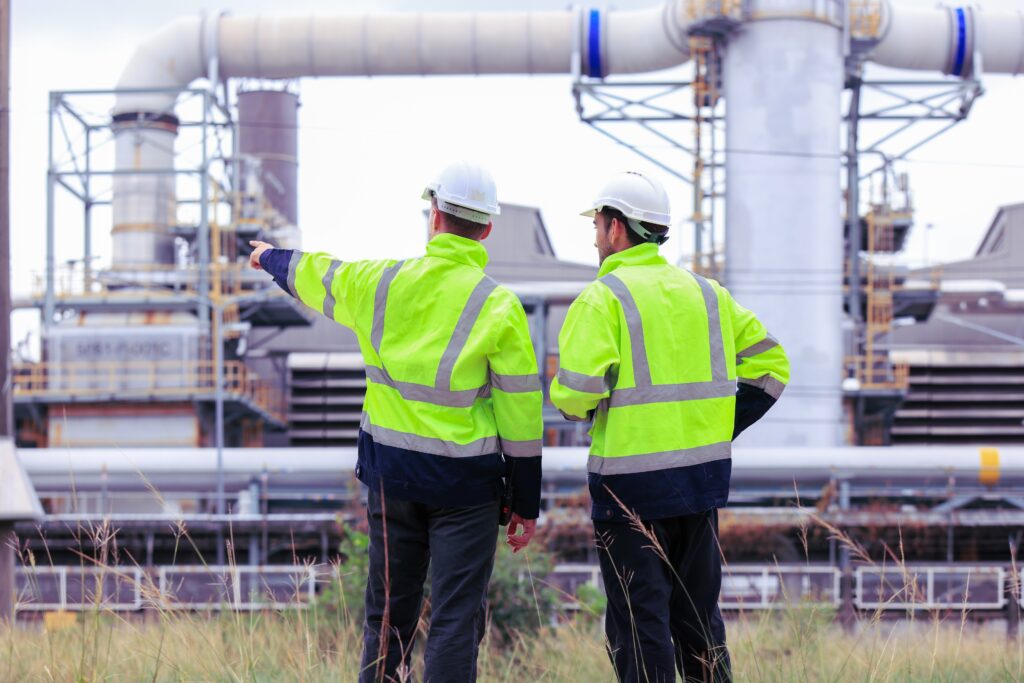
Energy infrastructure is easy to overlook because much of it operates in the background. Behind every pipeline, meter station, compressor facility and utility project is a broad team of professionals who plan, permit, design, build, inspect and maintain the systems people rely on every day.
Energy careers extend far beyond one type of engineer
The energy sector needs civil, mechanical, electrical, structural, environmental, geotechnical, corrosion and controls professionals. It also depends on surveyors, GIS specialists, environmental scientists, project controls professionals, construction managers, inspectors and field coordinators.
These roles often work together. A pipeline or facility project may require route and site evaluation, wetland and permitting support, survey and subsurface information, mechanical and civil design, instrumentation, corrosion protection, construction planning and commissioning. The result is a career field with many entry points.
Why energy work is changing
Deloitte reports that AI, electrification and data-center growth are increasing power demand while digital technologies are becoming more important to grid reliability, asset optimization and supply-chain resilience. The International Energy Agency is also tracking rapid changes in energy technology deployment, manufacturing and supply chains.
For professionals, that means established infrastructure knowledge remains valuable while new tools and project demands continue to emerge. The industry needs people who understand operating assets and people who can help modernize them.
Environmental and permitting careers are part of project delivery
Energy projects must be planned around land, water, wetlands, communities, cultural resources and regulatory requirements. Environmental scientists, biologists, permitting specialists and civil engineers help teams understand those conditions before construction begins.
These roles combine technical work, field investigation, regulation, documentation and communication. They can be a strong fit for people who want a career connecting infrastructure development with responsible environmental planning.
Field knowledge strengthens design careers
Survey crews, inspectors and construction professionals collect the information that allows engineering teams to make better decisions. Their work may include topographic and boundary survey, utility locating, environmental field studies, construction observation, materials verification and as-built documentation.
Engineers who gain field exposure often develop a stronger understanding of constructability and operations. Field professionals who learn the design intent can become especially effective at recognizing issues and communicating them to the wider team.
Skills that can support long-term growth
Technical fundamentals remain essential, but the energy workforce is also being shaped by digital tools, changing career expectations and continued competition for experienced personnel. Airswift’s 2026 Global Energy Talent Index found that engineering and technical roles remain among the hardest to fill, while AI adoption and career development are influencing how people build their skills.
Professionals can prepare by strengthening communication, technical writing, safety awareness and cross-disciplinary coordination. Familiarity with GIS, CAD, data systems, modeling, project controls or field technology can complement a strong foundation in a core discipline.
A career built around essential systems
AED Energy Services supports pipeline, utility, facility, environmental, survey and infrastructure projects from early planning through design and construction support. Our teams work across disciplines and locations, giving professionals opportunities to contribute to the systems that keep energy moving safely and reliably.
If you are interested in engineering, environmental science, surveying, project management or field work, energy infrastructure offers more career directions than many people initially realize. Explore our opportunities or contact our team to learn where your experience may fit.